Rewindpix: A Non-disposable Digital “Film” Camera
- Mar 13
- 3 min read
Updated: Mar 31
Rewind to happiness: a retro screen-free digital camera with a large viewfinder, a winder, and infinite customizable filters.
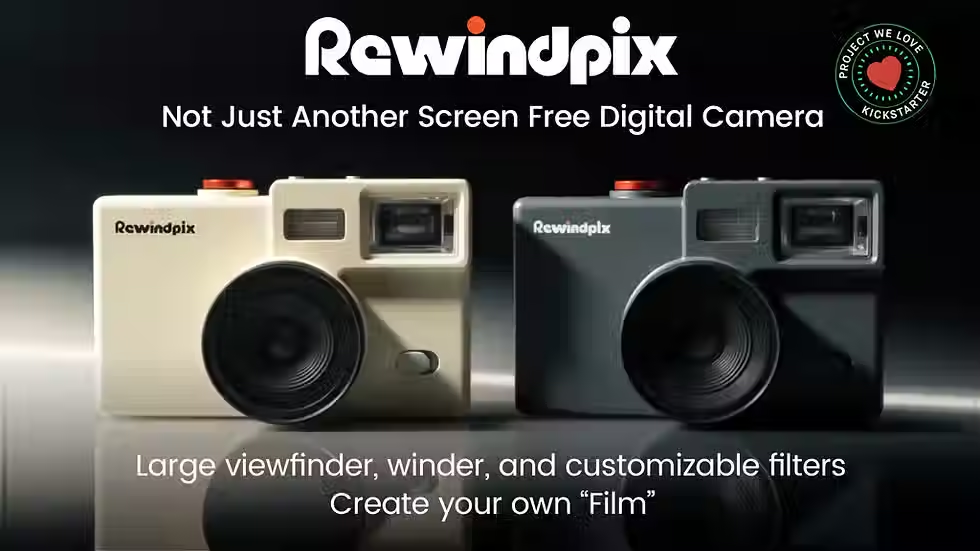
There is something undeniably magical about the tactile feel of an old film camera. The satisfying resistance of the mechanical winder, the anticipation of looking through a bright optical viewfinder, and the deliberate pause before pressing the shutter all contribute to an experience that modern smartphones have completely erased. However, the rising cost of actual film and development makes analog photography an expensive hobby. Rewindpix offers a brilliant compromise. It is a digital camera that meticulously recreates the physical joy and limitations of shooting film, providing a screen free experience that forces you to slow down and stay in the moment without the ongoing expense of physical film rolls.
PROJECT OVERVIEW
Name and Creator: Rewindpix A Non disposable Digital Film Camera by Rewindpix.
What It Is: Rewindpix is a retro inspired digital camera designed to simulate the analog photography experience. It lacks a traditional digital screen for reviewing photos, relying instead on a massive optical viewfinder and physical controls. It pairs modern digital sensors with mechanical inputs and customizable film simulation filters to give photographers the authentic vibe of film in a digital format.
KEY FEATURES
Giant Optical Viewfinder: The camera features one of the largest optical viewfinders on the market, providing a bright, wide window to the world with reflective frame lines for accurate composition.
Mechanical Winder Dial: To replicate the rhythm of analog shooting, you must physically advance a mechanical winder between every single shot. This tactile action provides a satisfying click and gives the internal processor a moment to apply complex image adjustments.
Filter Slide Switch: A physical slider allows you to quickly swap between three pre loaded film simulation filters, such as a warm Kodak style or a cool Fuji look, without digging through digital menus.
Minimal Information Screen: Instead of a full color display, the back of the camera houses a tiny one inch monochrome LCD that only shows essential information like remaining battery, Wi Fi status, and your remaining photo count.
Customizable Film Stocks: Using a companion smartphone application, you can act as a digital darkroom. You can tweak parameters like grain, light leaks, and color balance to create your own custom film stocks, which are then loaded directly onto the camera.
Swappable Shutter Button: The camera includes a large aluminum shutter button that can be swapped out to customize the aesthetic of your device.
REWARDS
Kickstarter Pricing: Backers can secure the camera through early bird tiers starting around 120 dollars, offering a significant discount over the planned retail cost.
Options: The camera body is available in vintage inspired colors like Gray and Beige, and backers can also add accessories such as a waist level viewfinder or an external flash.
Delivery: The campaign has far exceeded its initial funding goal of 15,000 dollars, and production is ramping up for global fulfillment.
CONCEPT
The core concept is Intentional Photography. The creators believe that modern digital cameras and smartphones have made photography too fast and thoughtless. By removing the instant gratification of a rear screen and adding physical friction like a mechanical winder, they aim to restore the anticipation and joy of capturing a photograph one deliberate frame at a time.
INSPIRATION
The project was born from a group of friends and engineers who were obsessed with analog charm and the cinematic look of film. They noticed that many people missed the physical interaction of vintage cameras but hated the post processing workflow of modern digital files. They spent months sketching and prototyping to build a camera that bridges the gap, allowing users to experience the joy of slowing down while retaining the convenience of digital storage.


